Kraków
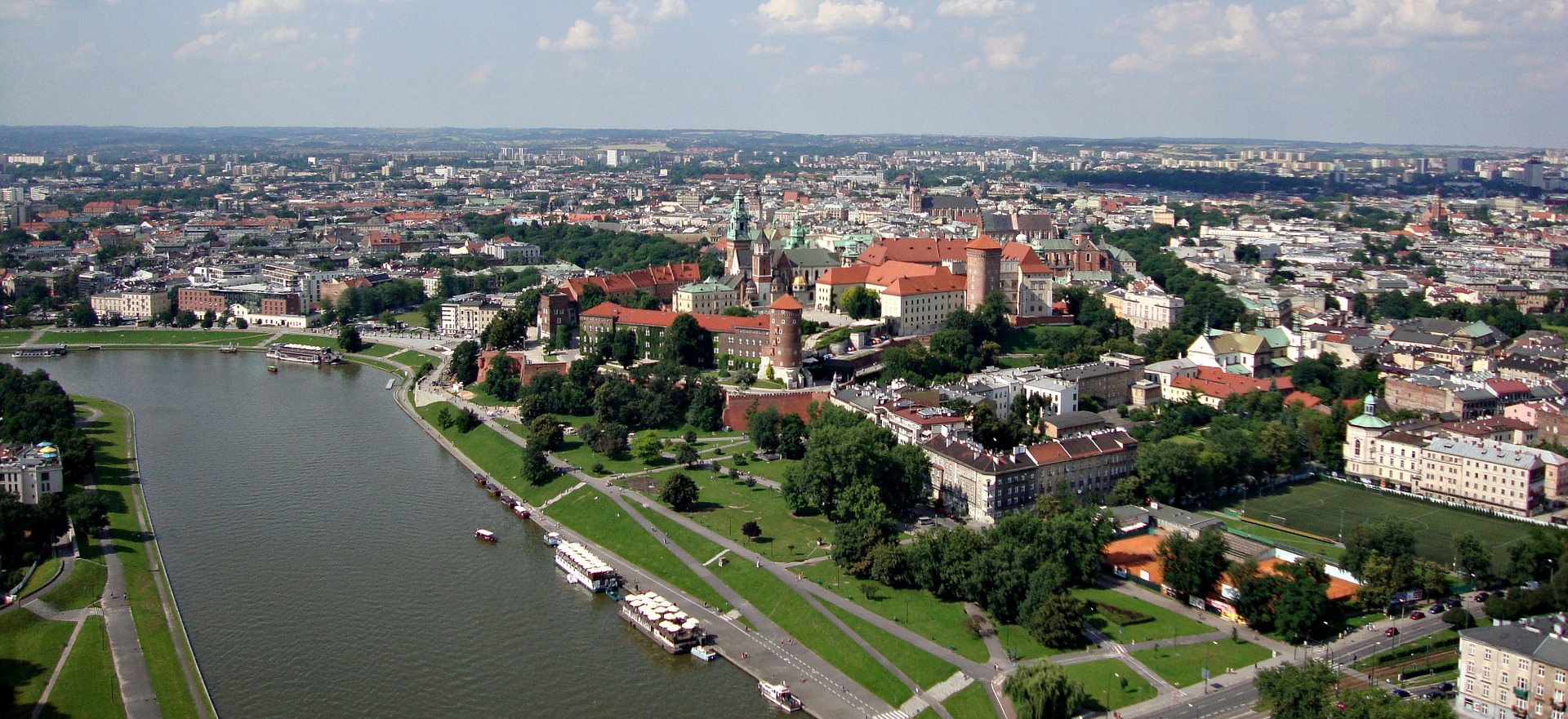
A world brand and the most precious of the pearls in the tourist crown of Małopolska, Kraków is the ideal city for sightseeing, culinary adventures, active leisure, and fun. It is perfect for a quick city-break as well as for longer stays. It is one of the oldest cities and a national heritage treasure, a cultural capital that had once been the capital of the state and also the seat of kings. The Old Town, Kazimierz, Podgórze, Nowa Huta, Zabłocie… Each of Kraków’s districts is a separate microcosm, one of many parts of the ever-expanding Kraków universe.
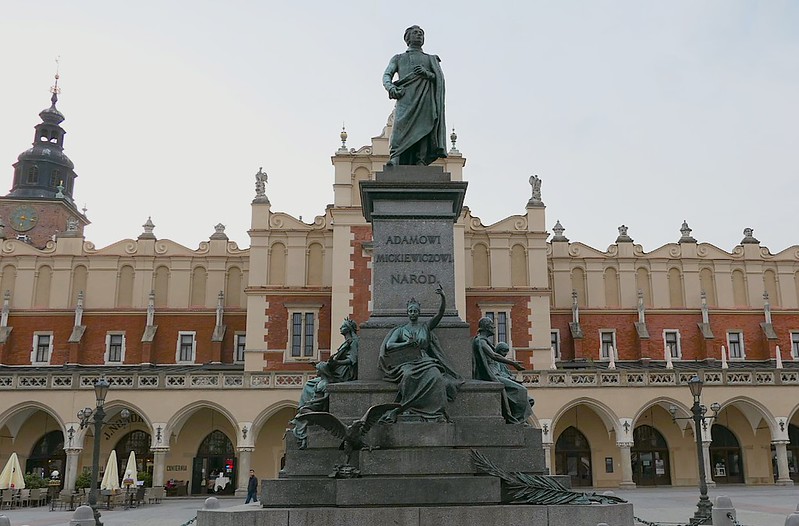
Main Market Square
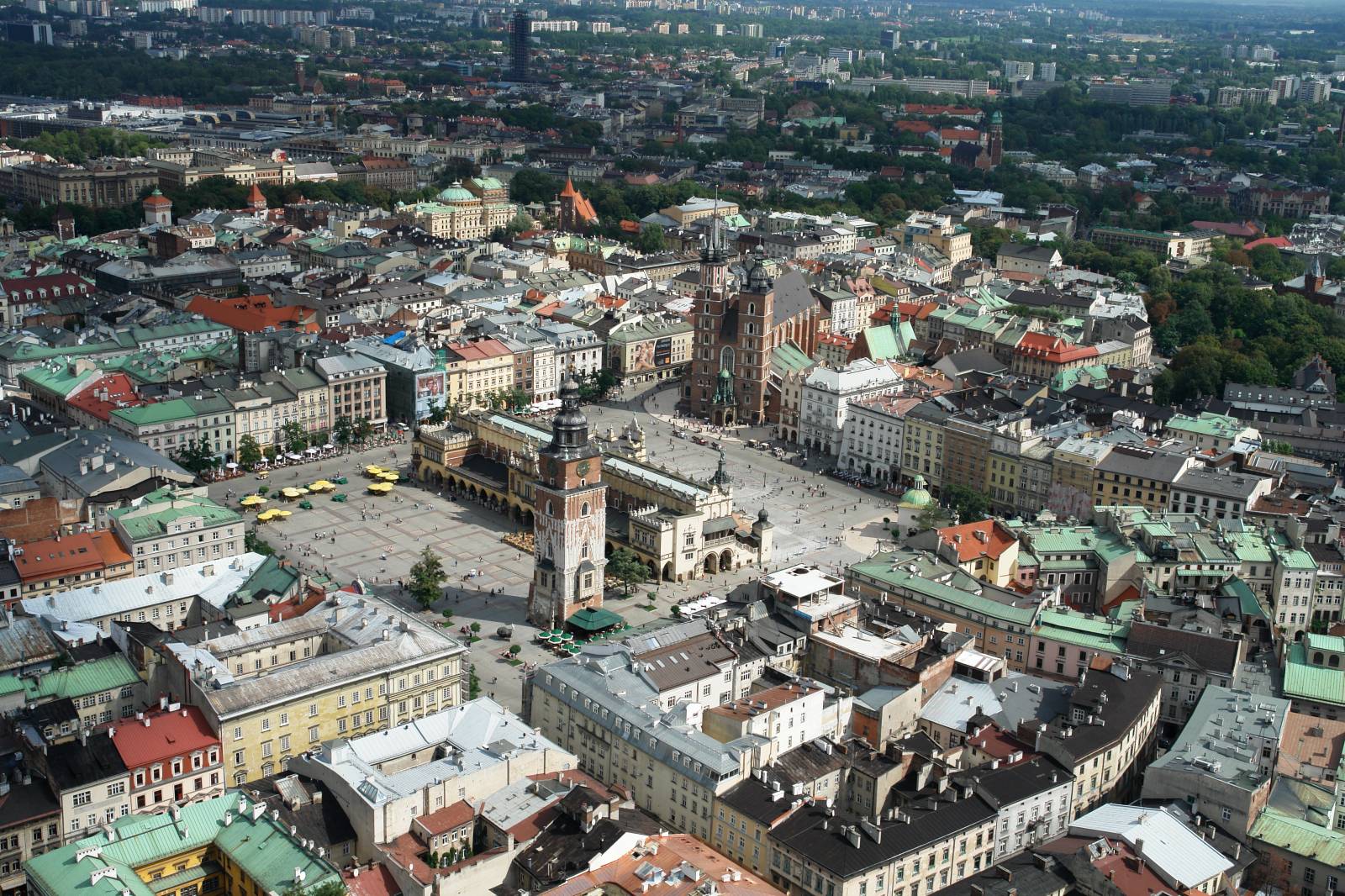
This is the place of the most “mosts”: the most important public space in Kraków, the most expansive Market
Square of medieval Europe, it gathers everything most characteristic of the city and has its most distinctive
hallmarks, and last but not least: the most beautiful, the most important, the most charming, the most…
The
huge main square was staked out for the city when Kraków received its city charter based on Magdeburg Law in 1257.
It was set up at the intersection of ancient trading routes, on the plan of a square, with each side slightly
exceeding 200 m (650 ft). The name Rynek (Market Square), deriving from the German word Ring, was first used
around 1300, and the current one – Rynek Główny (Main Market Square)– has only been in use since the end of the
19th century.
St. Mary’s Basilica
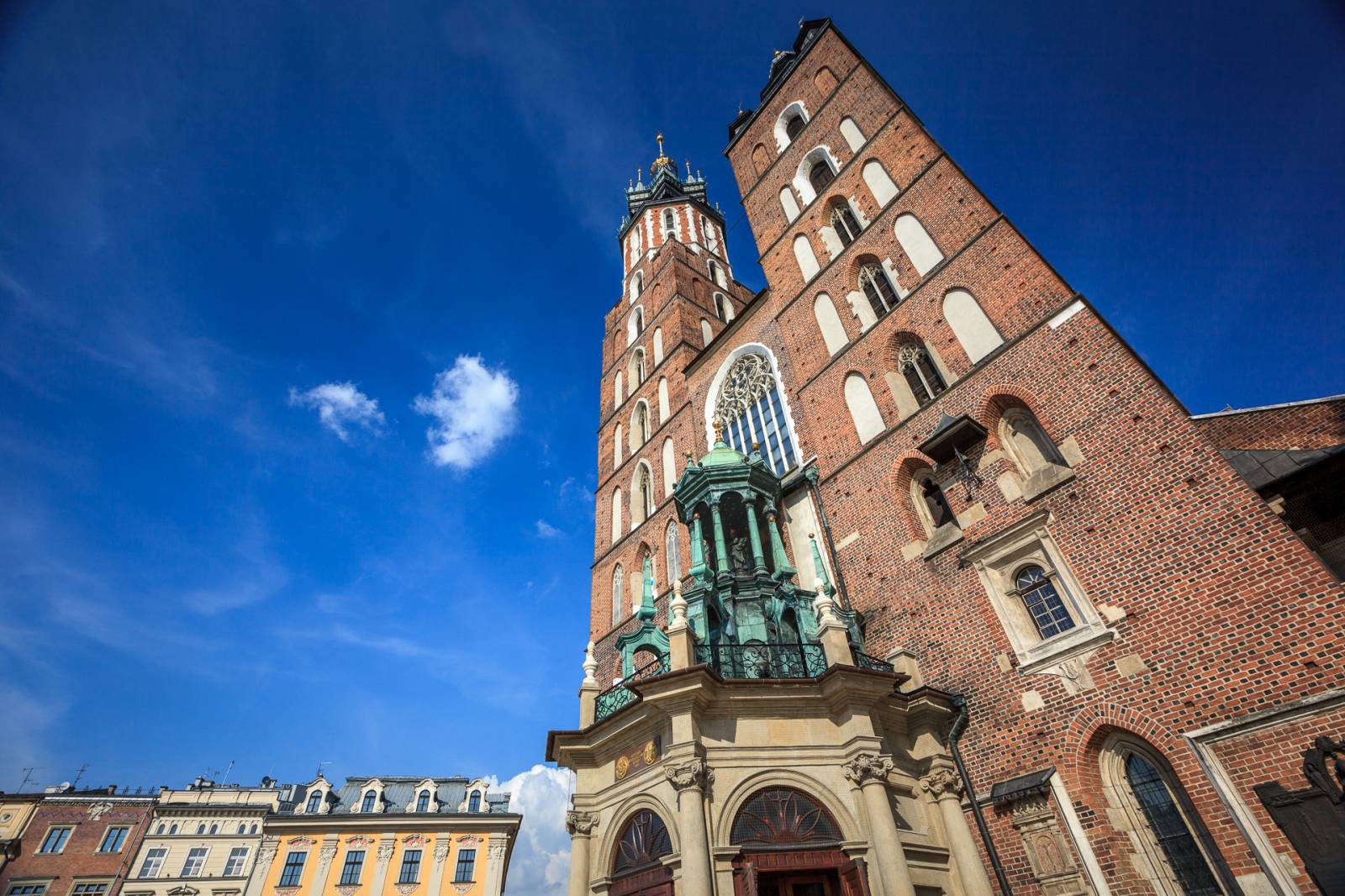
A history spanning over eight centuries, a high altar by Veit Stoss (Wit Stwosz), a bugle call, the star strewn
murals by Jan Matejko covering the vaulting: all this in a single church! Moreover: in the very centre of
Kraków!
The first church was raised in this place even before the chartering of Kraków; it fulfilled the
function of the main parish church of the city since 1222. Its pre-charter pedigree explains why the Basilica
(Church) of St Mary is situated at an angle towards the axis of the Main Market Square: simply, when the first
edifice was being constructed, the Main Market Square did not yet exist! Now its Romanesque remnants are hidden
2.6 m (9 ft) deep under the floor of today’s church, together with elements of a later, early-Gothic one.
Kościuszko Mound
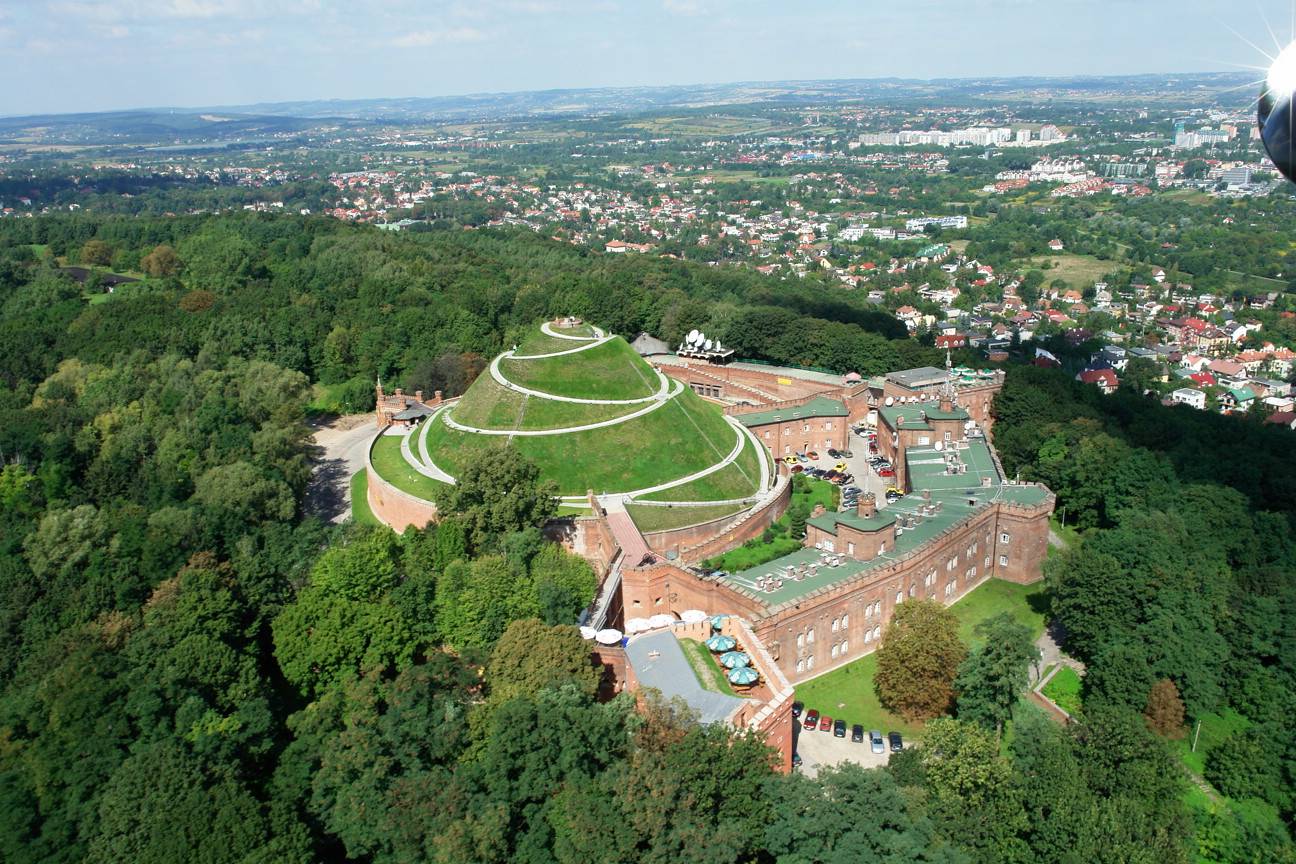
A place of remembrance devoted to a Polish and US freedom fighter, a popular destination for walks, and a
marvellous vantage point. When the weather is good, it commands a view of the Tatras, some 100 km (60 mi)
away!
The mound itself, providing a symbolic grave of Tadeusz Kościuszko, who first became a hero of the United
States Independence War, and later the famous defender of Poland’s independence, was modelled on the prehistoric
mounds of Krakus and Wanda. Participating in its construction (1820–23) were Poles from all the three partitions
(Polish territories annexed by Russia, Austria, and Prussia late in the 18th century). The place of remembrance
quickly became a reflection of the idea of solidarity and the struggle “for our freedom and yours”, and reminded
Poles of heroic days, thus boosting spirits.
Kraków Gallery

Disclaimer!
This Website was produced with the purpose of assessment for Computing Course Web
Authoring Module of Arden University.
It is a non-commercial student project.
All content and images are
used for educational demonstration only.
© 2025 STU207511. All rights reserved.
Contact
information:
stu207511@ardenuniversity.ac.uk